
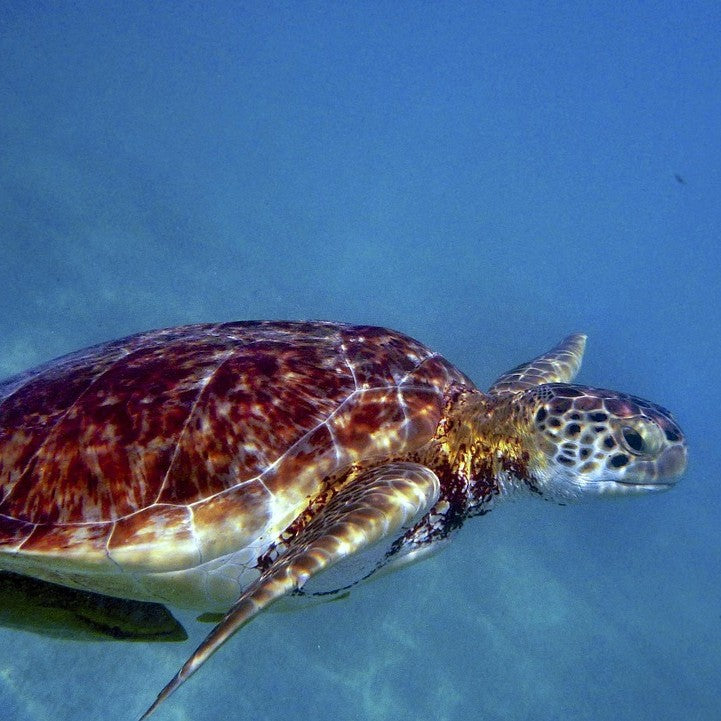
Why sunscreen without microplastics is better: Protection for skin, ocean and coral reefs
Sunscreen is essential to protect our skin from the harmful effects of UV radiation. However, many conventional sunscreens contain microplastics, the use of which can have far-reaching negative consequences. Here are some important reasons why it makes sense to switch to microplastic-free sunscreens and how this contributes to preserving our environment and health:
Environmental protection and marine ecosystems : Microplastics enter our waterways through the washing off of cosmetic products. There, they can endanger marine habitats, coral reefs, and animal species. Fish and other marine life can ingest microplastics, which can lead to serious health problems.
Health risks for humans and animals : The ingestion of microplastics through the food chain can affect not only marine life but also humans. Microplastic particles can absorb and release toxic chemicals that may pose long-term health risks.
Biodegradability and sustainability : Sunscreens without microplastics often use mineral filters such as zinc oxide or titanium dioxide, which are biodegradable and have no negative impact on the environment. These ingredients are safe for corals and other marine organisms.
Responsible consumption : By consciously avoiding products containing microplastics, we can contribute to protecting the environment. Manufacturers who opt for more environmentally friendly alternatives promote more sustainable consumption and help reduce environmental pollution.
Protecting coral reefs and marine life : Coral reefs are sensitive ecosystems threatened by chemicals, including microplastics. By choosing sunscreens without microplastics, we actively help protect these vital habitats and ocean biodiversity.
Let's take responsibility together and choose sun protection products without microplastics. Every decision counts in the fight to protect our environment and wildlife.


